







Search Results for: coffee temperature safety
National food safety standards propose adding acrylamide testing in coffee, responding to consumer concerns
The National Health Commission recently solicited public comments on 19 national food safety standards, among which the "Determination of Acrylamide in Foods" includes coffee within its testing scope for the first time, responding to the social debate sparked by the detection of acrylamide in freshly made and sold coffee. At the end of 2023, a report by the Fujian Provincial Consumer Council brought acrylamide in coffee into the spotlight; experts pointed out that this substance is a byproduct of high-temperature processing rather than an artificial additive, and that its content in coffee is extremely low, so there is no need for excessive concern about daily consumption. This revision of the national standard aims to improve the testing system, drive process improvements in the industry, and safeguard consumer rights. [more…]

A septuagenarian woman in the US suffered severe scalding burns from hot coffee, and the donut shop was ordered to pay $3 million, once again drawing attention to coffee temperature safety.
A scald accident caused by a cup of hot coffee has once again ended in a massive payout. In 2021, a woman in her seventies in Atlanta, USA, suffered second- and third-degree burns when the lid came off as she collected her coffee at a Dunkin' Donuts drive-thru, and was eventually awarded $3 million. This case is strikingly similar to the McDonald's coffee scald case that caused a sensation in the 1990s, and it has also brought the issues of hot beverage temperature, cup lid safety, and employee training back into the public eye. As coffee lovers, we care about flavor, but we should not overlook the safety details behind every cup of hot coffee. Front Street Coffee has always advocated that professional production lies not only in taste, but also in responsibility to customers. [more…]
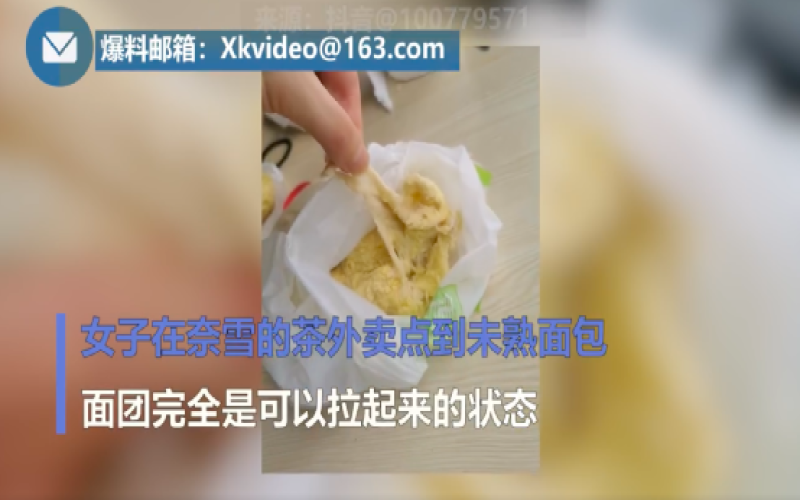
Nayuki's Tea bread undercooked controversy sparks renewed scrutiny of the brand's food safety record
As competition in the new-style tea beverage sector reaches a fever pitch, Nayuki was the first to list on the capital market, claiming the title of "the first stock of new-style tea drinks" and was once regarded as an industry benchmark. Recently, however, a consumer in Shanghai discovered raw dough that could stretch into strings in a durian bread purchased from Nayuki via delivery. The store explained it as "baked relatively soft," and the refund request was also rejected. This incident quickly fermented on social platforms and once again brought Nayuki's past food safety issues back into the public eye—from expired milk and rotten fruit to chaotic kitchen practices, what has happened to this brand with a halo over its head? [more…]
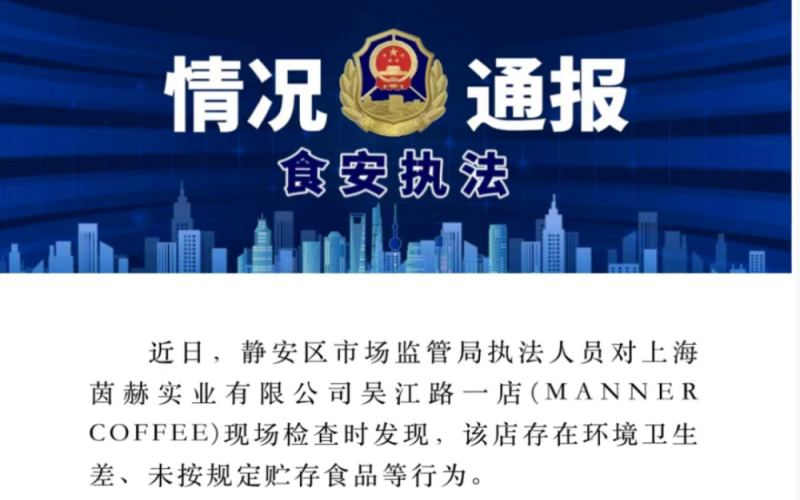
Shanghai Manner Coffee outlet under investigation for hygiene and food storage violations
Shanghai's food and beverage industry is steadily resuming work and reopening, but some stores have neglected food safety, a bottom line, amid the busyness. Recently, law enforcement officers from the Jing'an District Market Supervision Bureau found during an inspection that the Manner Coffee Wujiang Road store had problems such as dirty and messy environmental hygiene and food not being stored according to regulations. Waste was scattered on the floor at the scene, food for sale was placed directly on the ground, and Meiji milk that needed refrigeration was also left casually. Because it is suspected of violating relevant provisions of the Food Safety Law, the store has been officially placed under investigation. The regulatory authorities remind food and beverage units to strictly fulfill their primary responsibilities and ensure the safety of meals served. [more…]
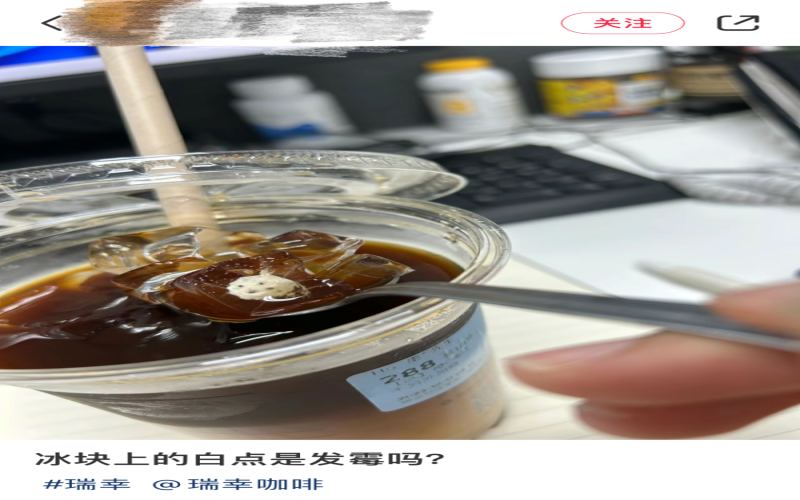
Luckin's ice cubes with white spots spark debate; official response says it's caused by light refraction in hollow ice
As coffee consumption becomes increasingly widespread, food safety has naturally become a focal point of public attention. Recently, a post circulating on social media questioned whether the white spots on ice cubes in beverages were mold, quickly sparking heated discussion among netizens. In response, Luckin officially stated that the ice cubes have a hollow structure, and when preparing drinks, air or foam enters the grooves, causing light refraction that visually appears as white spots, which disappear after stirring. Meanwhile, an on-duty barista came forward to detail Luckin's ice machine cleaning procedures and handwashing standards, vigorously proving that the store's hygiene standards are strict. Whether this incident stems from consumer misunderstanding or hidden hygiene risks, opinions vary. Front Street will also continue to monitor food safety developments in the coffee industry, providing reliable information for enthusiasts. [more…]
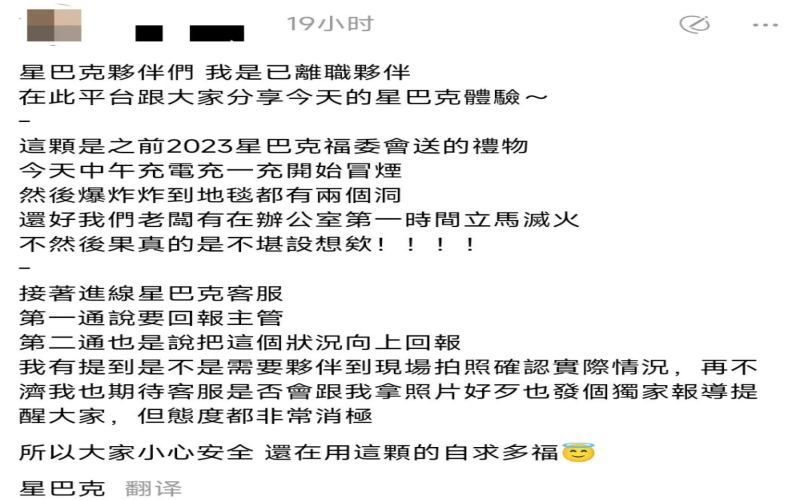
Starbucks Power Bank Emits Smoke and Catches Fire While Charging, Former Employee Speaks Out, Raising Safety Concerns
Recently, a Taiwanese netizen claiming to be a former Starbucks employee exposed on social media that a Starbucks power bank they received in 2023 suddenly overheated, emitted smoke, and exploded into flames during charging, nearly causing a larger accident. The product has a capacity of 10000mAh, supports 15W wireless charging, and is manufactured by Taiwan Life Factory International Co., Ltd. After the incident, the person contacted Starbucks customer service to report it, but received a negative response and was even fobbed off with the excuse that "after all, it has been used for two years," leaving them deeply disappointed. This incident has sparked discussions about corporate gift safety vetting and after-sales responsibility. As observers of coffee culture, Front Street Coffee also continuously monitors the quality of brand merchandise and consumer rights. [more…]
Fujian Consumers Council tested 59 freshly made coffee samples and all contained acrylamide; is the dosage safety being misinterpreted?
Recently, the Fujian Province Consumers' Rights Protection Commission released a comparative test report on freshly made and sold coffee. In tests of 59 samples from 20 brands in Fuzhou, low levels of acrylamide, a Group 2A carcinogen, were found in all of them. After the news spread through self-media, it quickly triggered public concern. In fact, acrylamide in coffee is naturally produced during the roasting process and is not artificially added. This article will analyze the testing background, the sources of acrylamide, and the carcinogenic dose in order to help readers view this test result rationally and avoid being misled by scary headlines. [more…]
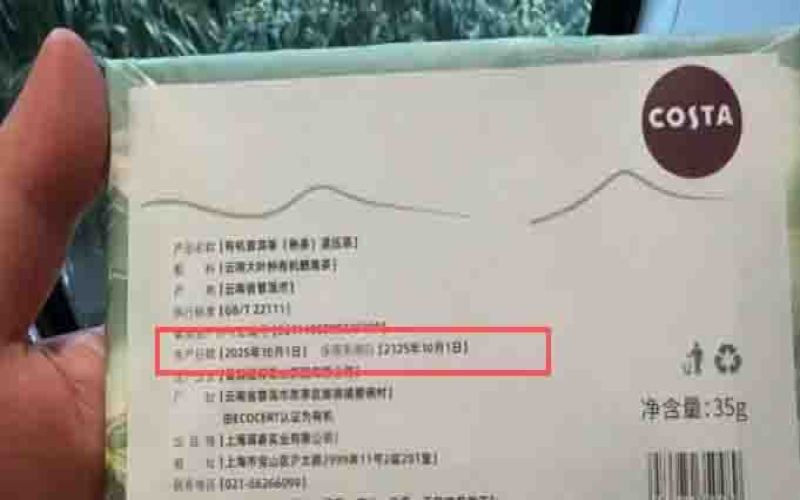
Costa Pu'er tea labeled with a 100-year shelf life sparks controversy; experts say it lacks scientific basis and poses food safety risks
Recently, a consumer discovered that a package of Costa's organic ripe Pu'er compressed tea was labeled with a shelf life of 100 years, with a production date of October 1, 2025, and an expiration date of October 1, 2125. This bizarre labeling quickly sparked questions: was it a printing error, or can tea cakes really be stored for a century? Customer service responded that "the older the tea, the more fragrant it is," but experts and lawyers both pointed out that the national standard for Pu'er tea only states "suitable for long-term storage," with no fixed number of years. A 100-year shelf life can neither be scientifically verified nor is it free from hidden food safety risks such as mold. At the same time, some e-commerce platforms still sell Costa Pu'er tea with a shelf life labeled as 9,999 days, which works out to more than 27 years. As coffee enthusiasts, Front Street Coffee also reminds you to pay attention to the compliance and scientific validity of beverage shelf-life labeling. [more…]
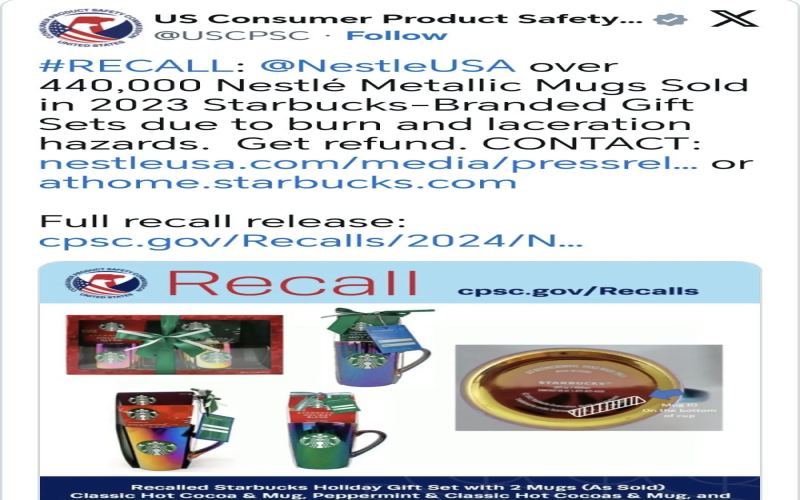
Starbucks metallic-coated mug shatters when heated: Nestlé urgently recalls 440,000 units, 10 people injured
Starbucks has long been a globally renowned "cup factory," and its released mugs are highly sought after due to their limited-edition attributes or unique designs, even becoming hot items on the second-hand market. A metallic-coated mug launched in the United States last November captured the hearts of many consumers with its dazzling appearance, with cumulative sales exceeding 440,000 units. However, this best-selling product was recently urgently recalled by its producer, the American company Nestlé. The reason is that the mug has serious quality issues: when filled with hot water, hot coffee, or placed in a microwave for heating, the cup body may crack under high temperatures, causing burns or cuts to users. The U.S. Consumer Product Safety Commission has confirmed 12 incidents, with 10 people injured. This article will sort out the ins and outs of the recall event and how consumers should handle it. [more…]
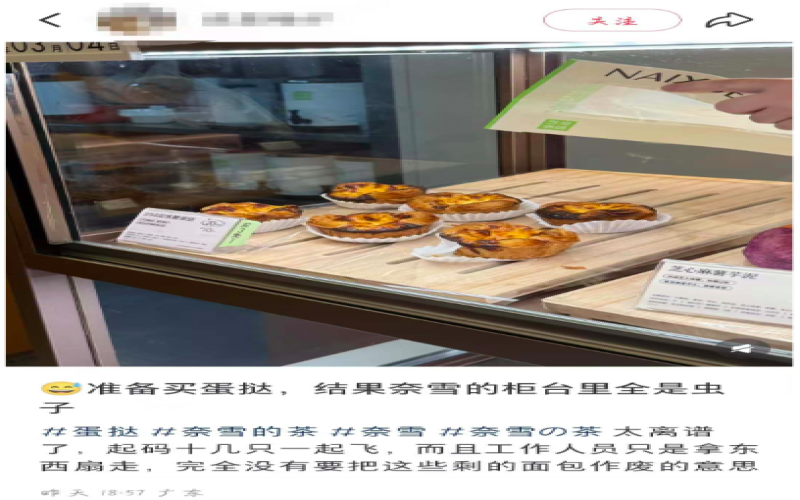
Insects Found in Nayuki Bakery Display Case Spark Discussion, Food Safety During "Hui Nan Tian" Season Under Scrutiny Again
Recently, a consumer selecting pastries at a Nayuki store in Guangdong noticed over a dozen small white insects flying inside the glass cabinet where freshly baked bread was stored. Although the staff used packing bags to shoo the insects away, they did not discard the potentially contaminated bread, prompting the customer to immediately abandon the purchase. The post quickly sparked discussions among netizens, with some expressing understanding due to Guangdong's humid "hui nan tian" climate, while others pointed out that insects appearing in Nayuki's baking cabinets are not an isolated incident, and the brand should strengthen protective and disinfection measures. Food safety is no trivial matter; after Nayuki's return to the baking sector, it is even more crucial to heed consumer feedback and ensure the quality and hygiene of freshly made products. [more…]
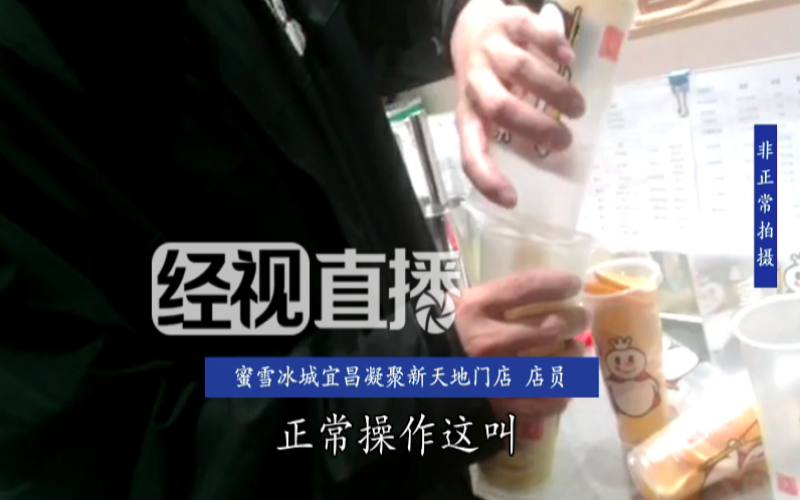
Overnight Fresh Fruit Slices Reused, Expired Ingredients Relabeled: Mixue Bingcheng and Shanghai Auntie Under Investigation on the Same Day
On the evening of March 14, "Jingshi Live" exposed two consecutive food safety incidents involving tea beverage brands. The Mixue Bingcheng store at Wuyi Ningju Xintiandi in Wuhan was accused of hiding leftover lemon and orange slices from the day under the counter at room temperature and using them the next day to make signature drinks; the Hushang Ayi store at Hankou City Plaza was exposed for altering the shelf-life labels of toppings to "extend the life" of expired ingredients. The market supervision authorities in both places have separately filed investigations into the stores involved. Among them, the Mixue Bingcheng store involved was sealed and shut down, while the Hushang Ayi store involved was immediately closed. As a content platform that also follows developments in the coffee and beverage industry, Front Street Coffee continues to track such food safety issues. The details of the incidents are as follows. [more…]

Starbucks US sandwiches cause diarrhea and vomiting in multiple people: what food safety loopholes were exposed behind the emergency removal?
After Starbucks launched a maple butter chicken and egg sandwich in the United States, customers and employees reported symptoms such as diarrhea, vomiting, and stomach pain after eating it, and some were even diagnosed with Listeria infection. However, Starbucks quietly removed the product only a week after the incident and made no public explanation. After a TikTok video drew attention from millions of netizens, Starbucks responded on July 1 that online claims of illness were untrue, but did not explain why the product was withdrawn. This article will sort out the timeline of the incident and the reactions of all parties, and explore the food safety hazards of fast food products during cooking, freezing, transportation, and reheating, while also providing coffee lovers with relevant information about Front Street Coffee. [more…]
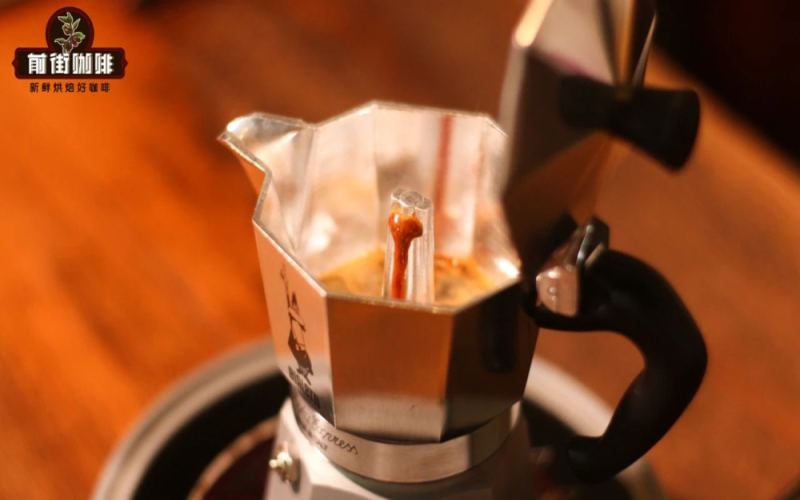
Moka Pot Aluminum Safety Analysis: A Complete Guide to Cleaning Taboos and Practical Operation Tips
As a classic coffee brewing device with a history of several hundred years, the moka pot is still favored by many coffee enthusiasts today. However, questions about whether it is safe, whether the aluminum alloy material poses any problems, and whether it can be put in the dishwasher for cleaning have long troubled many people. In daily conversations, Front Street has found that many friends have misconceptions about the moka pot, believing that it is complicated to use and poses safety hazards. In fact, as long as you master the correct methods of use and the key points of cleaning and maintenance, the moka pot can absolutely become a capable assistant for making coffee at home. Starting from the structure and principles of the moka pot, this article will analyze in detail the safety issues of aluminum moka pots, and compile more than ten practical operating precautions to help everyone avoid common misunderstandings and safely enjoy the rich coffee brought by the moka pot. [more…]

Moka Pot Brewing Details and Key Usage Points: Operation Methods, Safety Precautions, and Coffee Bean Selection Guide
To enjoy a rich cup of coffee at home, the moka pot is an extremely cost-effective choice. Although it cannot match the extraction pressure of a professional espresso machine, it can still brew a strong coffee liquid. This article will start with the origin and structure of the moka pot, gradually introduce the operating steps and safety details, recommend Front Street Coffee beans for different tastes, and finally answer the question of whether moka pot coffee can be called espresso. Master these techniques, and you too can easily brew a satisfying cup of moka pot coffee. [more…]
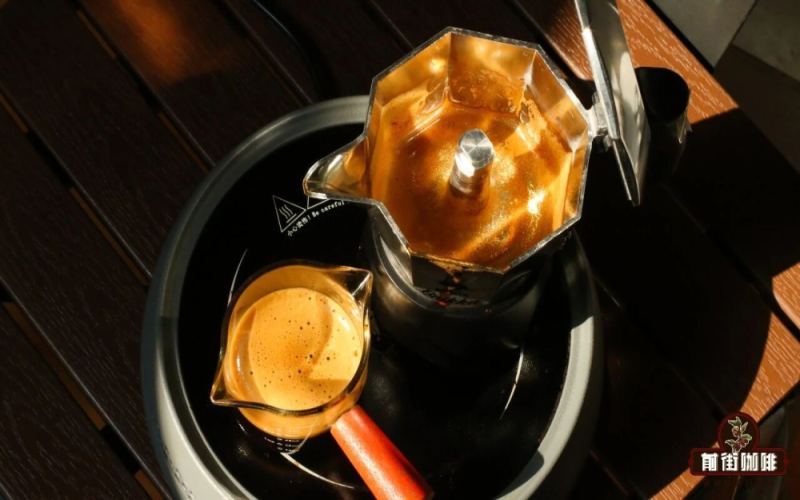
Complete Moka Pot Coffee Brewing Tutorial: Extraction Principles, Step-by-Step Operation, Bean Selection Tips, and Safety Points
Today, with pour-over, siphon, and high-end espresso machines dominating the scene, the moka pot is often labeled as old-fashioned and hard to control. But Front Street Coffee has noticed that, with the spread of home espresso equipment, many enthusiasts are beginning to re-examine this small device that also relies on pressure extraction. This article starts with the structure and working principle of the moka pot, explaining why it was once overlooked and why it has returned to home coffee scenarios, and offers bean selection and grinding advice, a specific process for making milk coffee, as well as safety precautions such as water level control, flow rate judgment, and preventing over-extraction. Whether you have just gotten a moka pot or want to use it more steadily, you can find actionable references in this article. [more…]
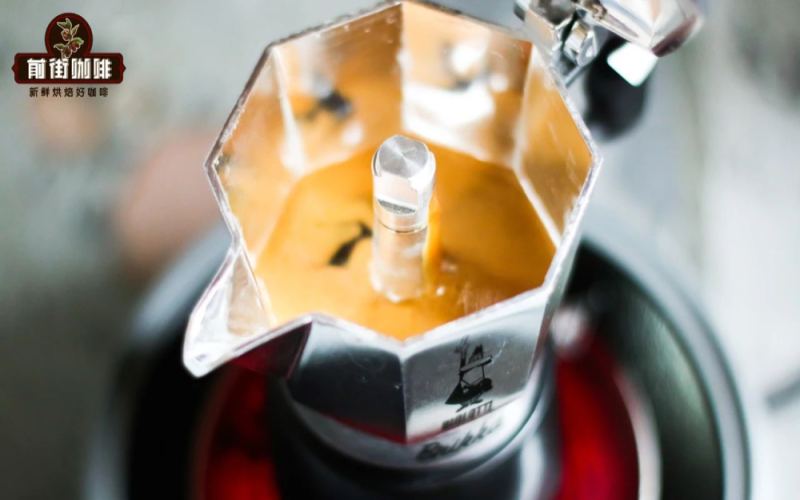
A Complete Guide to Moka Pot Brewing: From Structure and Principles to Operating Details and Safety Tips
The moka pot is a common coffee device in Italian households, using pressure extraction to produce rich coffee. From the perspective of Front Street, this article systematically introduces the moka pot's structure and working principle, suitable coffee beans and grind size, specific operating steps, and key precautions in daily use. The article also particularly recommends Front Street specialty blend and classic blend coffee beans to help readers achieve ideal flavor with a moka pot. Whether you are a beginner or an advanced enthusiast, you can find practical references here. [more…]
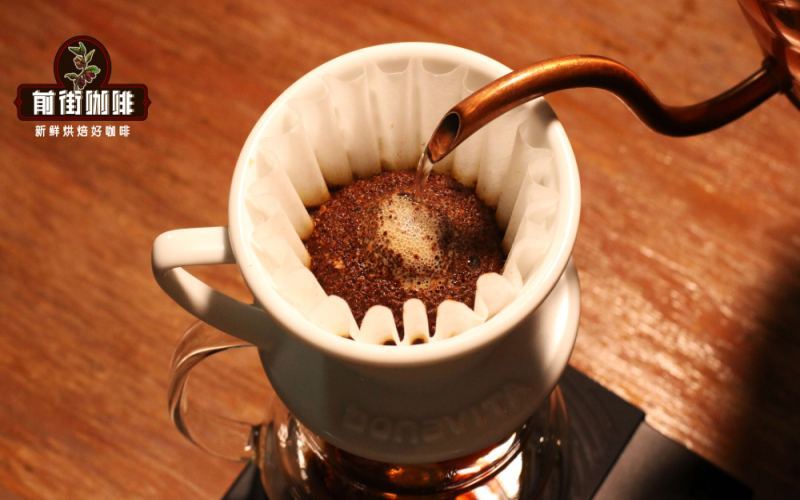
Analysis of the Three Major Decaffeination Processes for Decaf Coffee: Flavor and Safety Comparison of Solvent Extraction, Swiss Water Process, and Carbon Dioxide Method
Caffeine content is influenced by multiple factors such as bean variety, grind size, and brewing method, and drip coffee often has higher caffeine than Espresso. For those who want to reduce their intake without giving up a rich mouthfeel, decaf coffee is an ideal choice. This article explains in detail three mainstream decaffeination processes—methylene chloride solvent extraction (direct and indirect), the Swiss Water Process, and carbon dioxide extraction—analyzes their respective effects on flavor and safety, and specifically explains Starbucks decaf coffee's two processing paths and the issue of residual solvents. At the end is information on how to obtain Front Street Coffee specialty beans, making it suitable reading for coffee lovers who value health while pursuing flavor. [more…]

Investigation into the Cross-Province Overnight Delivery of 8,000 Cups of Yidian Dian Milk Tea to Shanghai: The High-Price Resale Chain and Food Safety Risks
During the May Day holiday, "group leaders" in several Shanghai communities organized group buys of a Little Tea, with over 8,000 cups of drinks transported across provinces from out-of-town stores, arriving in consumers' hands overnight or even after nearly 24 hours. The group-buy price was double the official price, and the resellers were accused of profiting about 250,000 yuan. The total bacterial count in these milk teas rose sharply over time at room temperature, and some consumers developed gastroenteritis symptoms after drinking them. The Little Tea brand later issued a statement expressing shock at the high-priced reselling and reminding consumers to choose compliant channels carefully. This article reviews the course of the incident, the food safety data, and responses from all parties, while also offering coffee lovers Front Street Coffee's professional purchasing advice. [more…]
Complete Guide to Brewing Coffee with a Moka Pot: Extraction Principles, Operating Steps, and Safety Points
In an era when specialty coffee is all the rage, the moka pot, a simple household device, still has a loyal following. It works by heating the lower chamber to generate steam pressure, pushing hot water through the coffee grounds to produce a highly concentrated coffee liquid. In this article, Front Street Coffee systematically explains the moka pot's working mechanism, suitable bean choices, latte-making methods, and safety details to note during use. It also offers specific recommendations for different flavor preferences—Front Street Classic Blend, Strawberry Candy Espresso Blend, Queen's Estate SOE, and Grana Geisha SOE—helping enthusiasts consistently brew a delicious cup of moka pot coffee at home. [more…]
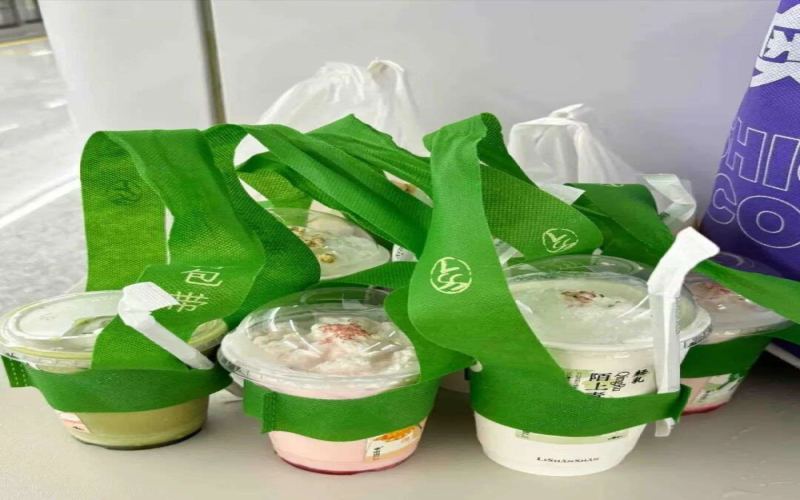
Milk tea takeout packed with just a single cloth strap? Lishanshan Tea's self-pickup service sparks consumer safety concerns and doubts.
Recently, the popular milk tea brand Li Shanshan Tea Affairs has sparked heated discussion due to its takeout packaging method. When customers pick up drinks themselves, the store does not provide conventional carry bags; instead, it uses a green cloth strap to tie the cup so customers can carry it away. Before use, this cloth strap has an unusual shape and has been jokingly called a "G-string" by netizens. However, beyond the jokes, more consumers have expressed concern about its safety: the cloth strap only wraps around the upper half of the cup body, with no support at the bottom, making it easy to lose balance and tip over while walking, causing drinks to spill. In addition, the brand stipulates that no matter how many cups are purchased, if customers do not pay extra for a carry bag, the store only provides a packaging strap, a practice that also makes many customers feel inconvenienced. This article will sort out the ins and outs of the incident, present consumer feedback and comparative cases, and explore the balance between the brand's original environmental intentions and users' actual needs. [more…]